(Thanh tra) – In the context where the green transition imposes growing demands on capital, standards, and impact measurement, LPF FUND aims to establish an ecosystem connecting real economy projects in Vietnam with regional and international ESG capital. The core focus is defined as standardizing projects, establishing transparent data systems, and progressively forming an ESG capital community, starting primarily with the agricultural sector.
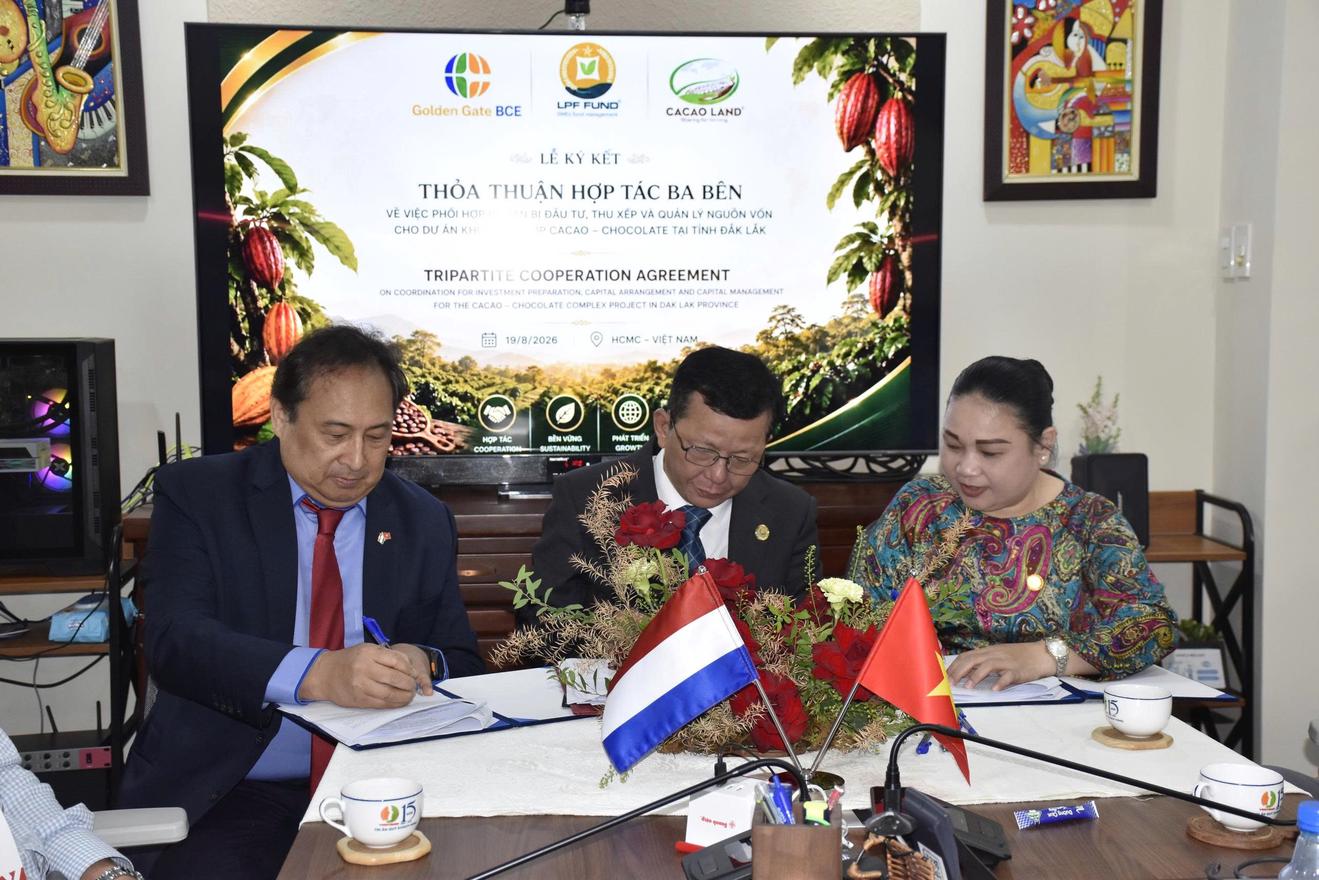
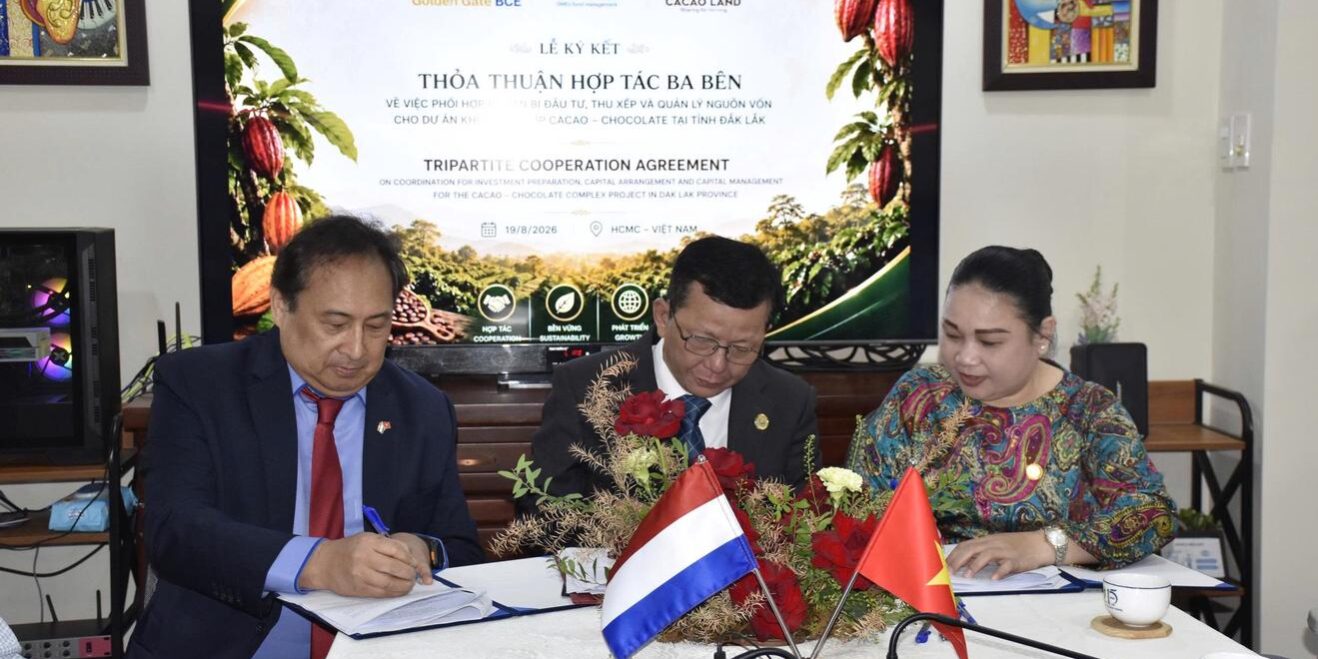
The signing ceremony of the tripartite cooperation agreement on investment preparation, arrangement, and capital management for the Cacao – Chocolate Complex project in Dak Lak, August 19, 2026.
From the “Green Passport” to Capital Access
The green transition is generating significant capital demand for agriculture, technology, processing, logistics, circular economy, and climate adaptation models. However, for green capital to flow into the real economy, capital demand from enterprises or projects alone is not enough. A key requirement is creating compatibility between capital-seeking projects and the standards set by investors and financial institutions.
According to LPF FUND’s strategic orientation, a project seeking access to international ESG investors must be able to clearly address multiple questions: What impact does the project generate; how is data collected and governed; how is capital utilized; which standards are applied; through what mechanisms are environmental and social risks controlled; and how are financial performance and impact effectiveness measured?
This demonstrates that the gap between a green project and green capital is not merely about capital volume. It is also a gap in standards, data, legal structure, governance, and the ability to demonstrate impact. LPF FUND identifies bridging this gap as a vital part of building the “infrastructure of trust” for ESG investment.
Within that orientation, ESG data is considered a foundational component. LPF FUND approaches GRI (Global Reporting Initiative) not only as a reporting standard framework, but toward utilizing ESG data as a tool to help enterprises and projects communicate more effectively with international investors.
The concept of a “green passport” emerges from this approach. A project with a “green passport” does not merely hold a certificate, but converges multiple factors such as transparent legal standing, governed data, traceable impact, verifiable supply chains, a well-grounded financial model, risk management mechanisms, and clear capital control procedures.
When these factors are standardized, the project gains stronger footing to substantiate its alignment with ESG capital requirements. The value chain guided by LPF FUND can be summarized in the following sequence: International standards – ESG data – transparency – project standardization – green passport – trust – green capital.
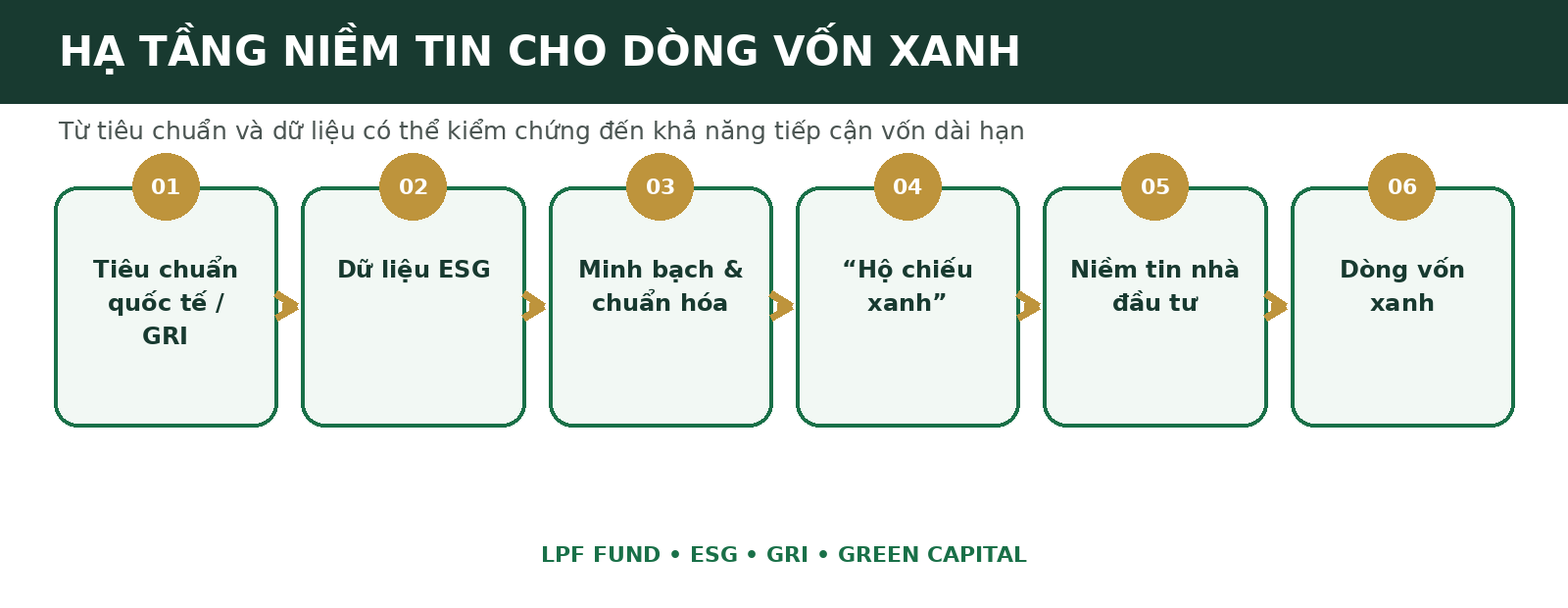
Illustrative diagram: GRI and ESG data are key components in the process of building the “infrastructure of trust” for green capital.
This approach also introduces a shift in the perception of capital mobilization. Instead of merely seeking capital for individual projects, the objective is to establish a system that qualifies projects to receive, manage, and utilize long-term capital. That process simultaneously requires multiple competencies, ranging from project selection and due diligence, legal standardization, ESG data construction, and financial structuring to capital governance, implementation supervision, impact measurement, and transparent reporting.
Using Agriculture as a Foundation to Connect ESG Capital
According to LPF FUND, if ESG factors are integrated from the project design stage, green capital can generate impact far broader than a conventional financial investment. Resources can be deployed to upgrade technology, establish standardized raw material zones, assist farmers in shifting production methods, develop deep processing and logistics, while generating data systems and new value across the entire supply chain.
Among the outlined directions, the cocoa supply chain is regarded as a practical model for implementing this ESG capital connection approach. Notably, the approach does not stop at expanding planting acreage, but aims to organize an entire ecosystem comprising raw material zones, farmers and cooperatives, cultivation data, agricultural technology, preliminary processing and fermentation, deep processing, logistics, traceability, markets, and green finance.
Integrating ESG throughout the value chain can generate multi-level impact: farmers gain opportunities to enhance livelihoods; enterprises secure more stable and transparent raw material supplies; investors have more data for evaluation; the market gains access to products that better satisfy origin and sustainability requirements; while localities gain opportunities to foster processing industries and logistics linked with raw material regions.
From this perspective, cocoa is not merely seen as an agricultural commodity, but can serve as a pilot model for how ESG capital participates in the restructuring of agricultural value chains.
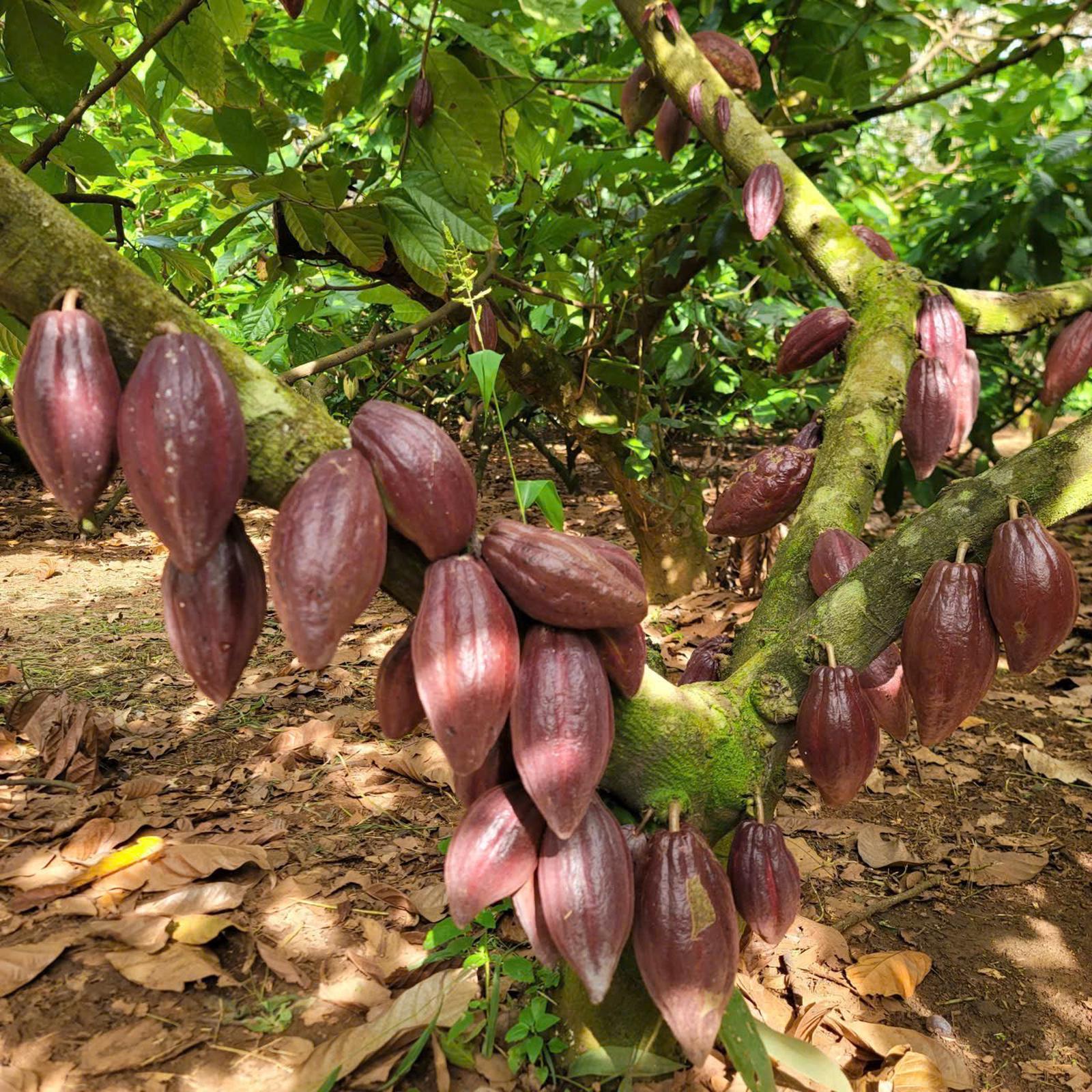
The cocoa supply chain can be developed toward integrating cultivation data, technology, processing, traceability, and green finance.
To generate capital flows of sufficient scale for the green transition, LPF FUND considers that reliance on an individual organization is insufficient. An ESG capital community requires the participation of diverse stakeholders such as ESG investment funds, banks, development finance institutions, family offices, impact investors, enterprises, standards bodies, development organizations, technology providers, universities, and local governments.
Each member can contribute different resources, ranging from capital, standards, technology, data, and markets to governance expertise and international networks.
Under this orientation, rather than merely connecting isolated deals, the long-term objective is to form an investable green project pipeline. Projects are standardized under common principles, equipped with adequate data for international capital community evaluation, and supported by appropriate governance mechanisms.
The ESG capital narrative goes beyond merely mobilizing additional financial resources; more importantly, it is about building trust so that capital can travel further, remain longer, and generate greater impact on the real economy. For LPF FUND, the ultimate goal is to transform standards into data, data into trust, trust into investable projects, and capital into tangible values across production, technology, supply chains, livelihoods, and the environment.
LPF FUND Honored Among the “Top 10 ASEAN ESG Pioneer Enterprises 2026”
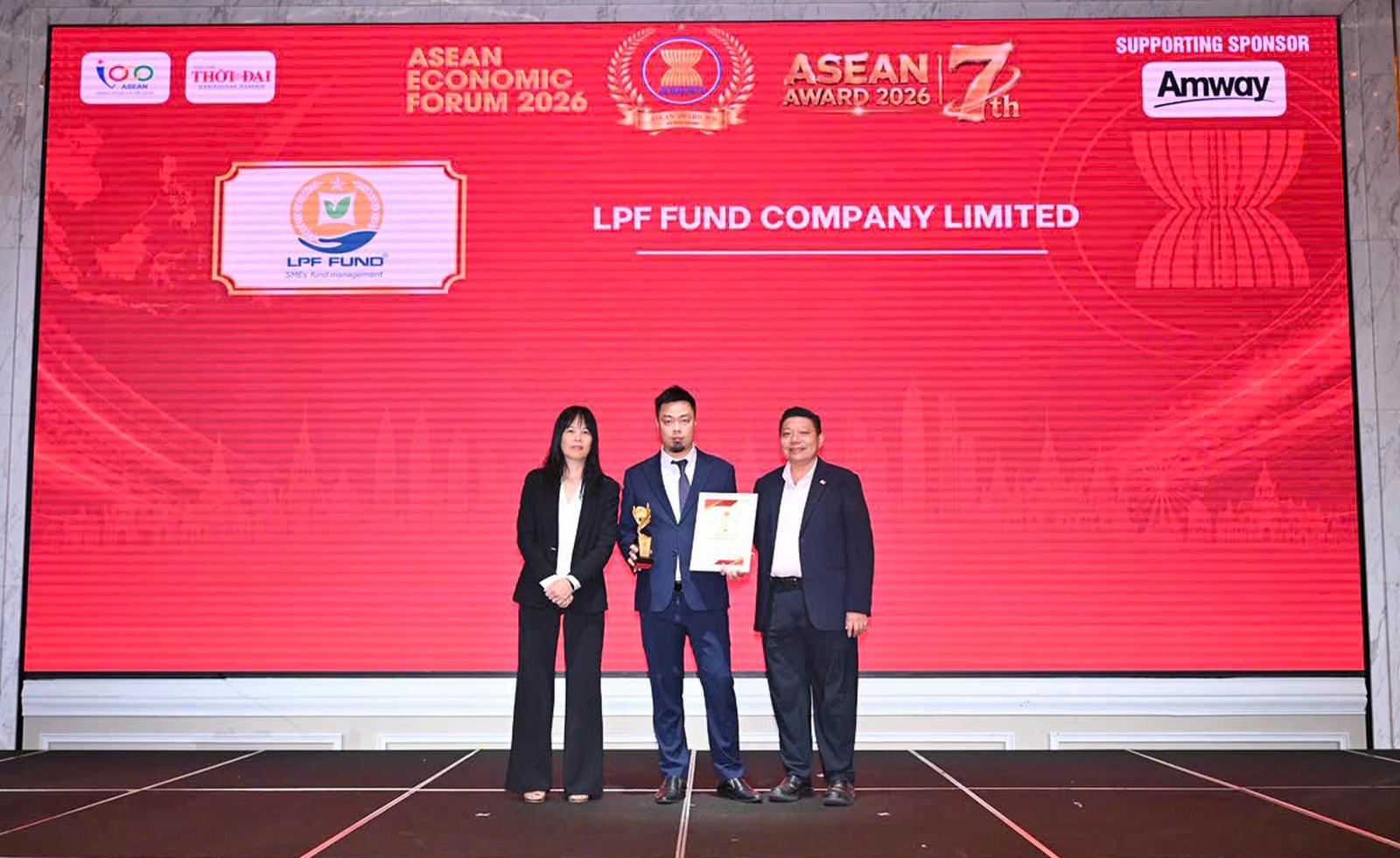
On August 22, 2026, in Singapore, within the framework of the ASEAN Economic Forum 2026 and the ASEAN Award 2026 Ceremony, LPF FUND was honored as one of the “Top 10 ASEAN ESG Pioneer Enterprises 2026”.
This recognition acknowledges LPF FUND’s strategic direction in bridging ESG standards, developing data systems, standardizing projects, and cultivating green capital sources for sustainable development models, with a primary focus on agriculture.
Quốc Huỳnh
Source: thanhtra.com.vn